06 Nov 17th International Trichoderma Workshop 2026

17th International Trichoderma-Gliocladium Workshop.
Santiago de Querétaro, Querétaro, México, November 3-6, 2026
Welcome to the 17th International Trichoderma workshop to be celebrated in Santiago de Querétaro, commonly known as Querétaro, a vibrant, safe, and rapidly growing city in central México, renowned as a UNESCO World Heritage site for its stunning colonial architecture and historical significance. It blends rich history with modern industrial development (aerospace/tech) and a high quality of life.
Download Abstract Book
17th International Trichoderma-Gliocladium Workshop

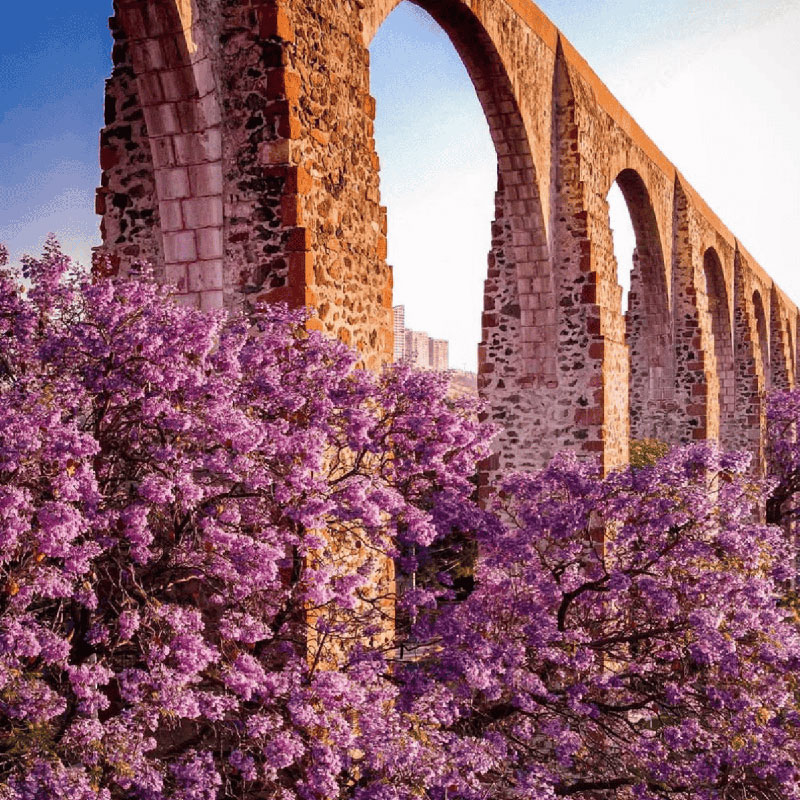
Los Arcos
The Querétaro aqueduct currently has 74 arches, which reach an average height of 28.5 m, and a length of 1,280 m.
Locate site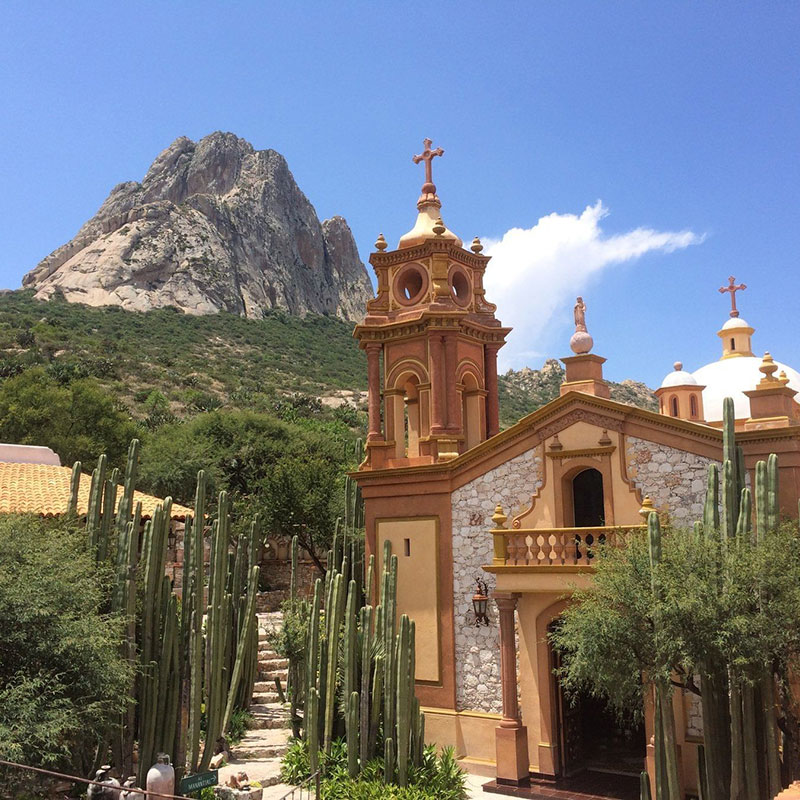
Peña de Bernal
It is a rock formation resulting from an extinct volcano. It is often described as the third largest monolith in the world.
Locate site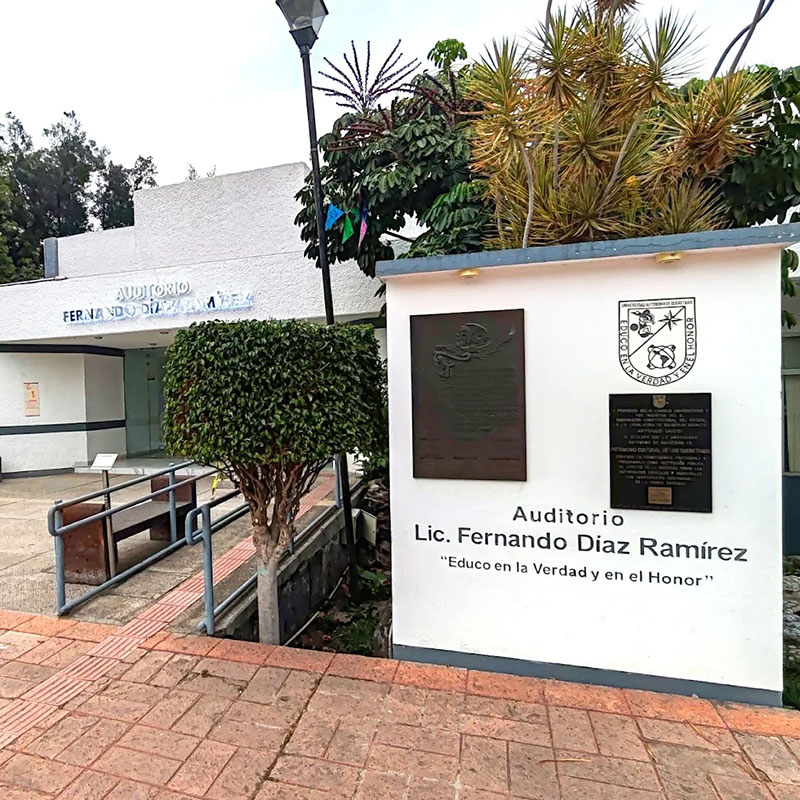
Auditorio Fernando Díaz Ramírez
Its facilities host graduation ceremonies, council meetings, keynote lectures...
Locate site
Programme
Day 1. Tuesday 3 November
Venue:
Auditorio and Patio Barroco, Preparatoria Centro, Universidad Autónoma de Querétaro
14:00-15:50
Arrival and Registration
15:50-16:00
Open address
16:00-16:45
Cultural talk Dr. Roberto Garibay Orijel
Instituto de Biología, UNAM, Mexico.
The Fungal Thread: Connecting Mesoamerica’s Pre-Hispanic Beliefs to the Present
16:45-17:30
Plenary talk Alfredo Herrera Estrella
CINVESTAV, Irapuato, Mexico.
Molecular biology history of Trichoderma
17:30-18:00
TG2026 Photograph
18:00-19:30
Welcome reception
Day 2. Wednesday 4 November
Aula Forense, Auditorio de la Facultad de Leyes, Centro Universitario
1. Ecology, biodiversity, and taxonomy
Keywords: species diversity; habitats/environments; fungal versatility
Chair: Isabel Monte
9:00-9:40
Keynote speaker: Irina S Druzhinina
Royal Botanic Gardens Kew, UK.
Integrative biology and biosecure deployment of Trichoderma
Oral Presentations
9:40-10:00
Magnus Karlsson
Department of Forest Mycology and Plant Pathology, Swedish University of Agricultural Sciences, Uppsala, Sweden.
Evolution of the reproductive system of Clonostachys rosea and its genomic consequences
10:00-10:20
Ayixon Sánchez Reyes
Instituto de Biotecnología, UNAM, México.
Integrative taxogenomics reveals Trichoderma tlahuicaense sp. nov., a novel mycoparasite from a Mexican milpa agroecosystem
10:20-10:40
Luis Ángel Morales Mora
CIBA Tlaxcala IPN
Diversity and functional traits of Trichoderma spp. Associated with the rhizosphere of teosinte (Zea mays ssp. mexicana)
10:40-11:00
Sergio Casas Flores
Instituto Potosino de Investigación Científica y Tecnológica IPICYT
Cross-Kingdom RNA Communication: How Trichoderma atroviride Fine-Tunes Plant Immunity through a Fungal Small RNA
11:00-11:20
Coffee break
2. Biology-omics
Keywords: fungal genomes; transcript-/proteo-/metabolomics
Chair: Manuel Villalobos
11:20-12:00
Keynote speaker: Pablo Cruz
Yeast Natural Products Laboratory, Denmark.
Mission plausible: Can we replace synthetic pesticides with biosolutions?
12:00-12:20
Marisel M. Mamani
Swedish University of Agricultural Sciences, Sweden.
Comparative transcriptomics reveals common and mycohost-specific strategies of Trichoderma against fungal coffee pathogens
12:20-12:40
Francesca Fanelli
National Council of Research, Institute of Sciences of Food Production (CNR-ISPA), Italy.
Genomic diversity within Trichoderma afroharzianum associated with pathogenicity in maize
12:40-13:00
Mukesh Dubey
Department of Forest Mycology and Plant Pathology, Sweden.
Transcriptomic Insights into Strain-Specific Plant Growth Promotion by Clonostachys rosea
13:00-13:20
José Manuel Villalobos
Institute for Obesity Research, Tecnológico de Monterrey, Monterrey, N.L., Mexico
Multi-omic exploration of Mexican Trichoderma isolates for biocontrol and plant growth promotion
13:20-15:00
Lunch
3. Physiology and development
Keywords: unctional gene/genome analysis; gene regulation; metabolism; signaling
Chair: Sergio Casas
15:00-15:40
Keynote speaker: Monika Schmoll
University of Vienna, Austria.
Trichoderma physiology: nutrient sensing, feedback and an unexpected inhabitant.
Oral Presentations
15:40-16:00
Alfredo Herrera Estrella
CINVESTAV, Guanajuato, Mexico.
Phytohormones as Trichoderma self-controlling elements
16:00-16:20
Kumari Rashmi
Instituto Potosino de Investigación Científica y Tecnológica IPICYT
Arabidopsis NAI2 is required for the proper plant response to Trichoderma atroviride and the regulation of growth–defense trade-offs
16:20-16:40
Jesús Francisco Echaide Aquino
Lincoln University, New Zealand.
Plant Priming Induced by 6-pentyl-α-pyrone in Phaseolus vulgaris Under Drought Stress
17:00-19:00
Day 3. Thursday 5 November
Aula Forense, Auditorio de la Facultad de Leyes, Centro Universitario
4. Interaction with plants
Keywords: chemical communication; growth promotion; nutrient solubilization; elicitors; plant protection and crop resilience
Chair: José López Bucio
9:00-9:40
Keynote speaker: Artemio Mendoza Mendoza
Lincoln University, New Zealand.
Molecular Interactions Underlying Trichoderma–Plant Associations
Oral Presentations
9:40-10:00
Isabel Monte
ZMBP, University of Tuebingen, Germany.
Evolutionary transition between pathogenicity and mutualism in the interaction between Trichoderma and land plants
10:00-10:20
Allan G. Rasmusson
Lund University, Sweden.
The plant response to Trichoderma cellulase involves plasma membrane remodelling and connects to the plant competence for biostimulation
10:20-10:40
Annette Pfordt
Georg-August Universität Göttingen, Germany.
Pathogenic Trichoderma in Maize: Current Knowledge and Recent Advances
10:40-11:00
Alberto Pedrero-Méndez
ZMBP, University of Tuebingen, Germany.
Decoding the molecular basis for Trichoderma pathogenicity in the interaction with non-seed plants
11:00-11:20
Coffee break
5. Interaction with other organisms
Keywords: microbial communities; rhizosphere competence; synergism; antagonism; parasitism; insects; nematodes; bacteria
Chair: Ulises Esquivel
11:20-12:00
Keynote speaker: José López Bucio
Instituto de Investigaciones Químico-Biológicas, Universidad Michoacana de San Nicolás de Hidalgo, Morelia, México.
Chemical strategies of Trichoderma to promote plant growth and defense
Oral Presentations
12:00-12:20
Beilei Wu
Institute of Plant Protection, Chinese Academy of Agricultural Sciences, China.
Effects on the Biocontrol functions of Trichoderma spp. by the mycoviruses
12:20-12:40
Alegría Pérez-Guillen
Estación Experimental del Zaidín (EEZ-CSIC), Spain.
Trichoderma protein elicitors modulate plant resistance against insect pests via defence priming
12:40-13:00
Manhong Sun
Institute of Plant Protection, Chinese Academy of Agricultural Sciences, China.
Clonostachys rosea, a beneficial fungal species in vegetable planting
13:00-13:20
Juan Ornelas-Paz
CINVESTAV, Mexico.
T. atroviride tRNA-ipt and log genes promote A. thaliana defense responses and mycoparasitism against plant pathogens
13:20-15:00
Lunch
Day 4. Friday 6 November
Aula Forense, Auditorio de la Facultad de Leyes, Centro Universitario
6. Biotechnological applications
Keywords: ioactive metabolites; protein production; elicitors; bioremediation; inoculant production, new manipulation methods
Chair: Jesus Francisco Echaide Aquino
9:00-9:40
Keynote: Dr. Wadia Kandula
Lincoln University, New Zealand.
Using fungal volatile organic compounds to improve crop performance
Oral Presentations
9:40-10:00
Jorge Luis Folch Mallol
Universidad Autónoma del Estado de Morelos, Mexico.
Interaction between different Trichoderma strains with tomatoes and chili plants
10:00-10:20
Francisco Vargas Gasca
Universidad de Guanajuato, Gto., Mexico.
Engineering Trichoderma atroviride for High-Level Cytokinin Production: Metabolic Profiling and Predictive Culture Optimization
10:20-10:40
Edgardo Ulises Esquivel Naranjo
Universidad Autónoma de Querétaro, Qro. Mexico.
Low-polarity organic compounds secreted by Trichoderma are efficiently recovered using hydrophobic resins
10:40-11:00
Víctor Manuel González Aguilar
Universidad de Guanajuato, Gto., Mexico.
Ex situ isolation of local Trichoderma spp. by direct capture on sterile rice and its biocontrol efficacy against Neopestalotiopsis spp.
11:00-11:20
Coffee break
7. Trichoderma in action
Keywords: biocontrol, formulation; application methods; patenting; commercialisation; markets
Chair: Alfredo Herrera
11:20-12:00
Keynote speaker John Larsen
Institute of Ecosystem and Sustainability Research of the National Autonomous University of Mexico, Mexico.
Trichoderma ecology in agroecosystems: linking biotic interactions to crop health and nutrition
Oral Presentations
12:00-12:20
David Gramaje
Instituto de Ciencias de la Vid y del Vino (ICVV), Spain.
Context-dependent Trichoderma recovery and mycobiome shifts in grapevine pruning wounds
12:20-12:40
Joseline Suhail Alejo Guerra
Instituto de Investigaciones Químico-Biológicas, Universidad Michoacana de San Nicolás de Hidalgo, Morelia, Mexico.
Role of Arabidopsis RBOH genes in reactive oxygen species-mediated plant growth promotion by Trichoderma atroviride
12:40-13:00
José Guadalupe Anguiano Aguilar
CICESE, Ensenada, Mexico.
Basidiomycete fungi associated with fruit trees as a source of Trichoderma spp. with biocontrol potential against grapevine trunk diseases pathogens
13:00-13:20
Ireri Alejandra Carbajal-Valenzuela
Universidad Autónoma de Querétaro, Qro., Mexico.
Extracellular self-DNA primes Trichoderma asperellum T8a to enhance biocontrol and plant growth promotion in Capsicum annuum L
13:20-15:00
Lunch
15:00-15:20
Business Session
15:20-16:00
Closing talk
19:00
Closing dinner
International committee
Dr. Artemio Mendoza Mendoza
Lincoln University, NZ.
Email: [email protected]
Website: researchers

Dra. Isabel Monte
Email: [email protected]
Website: scholar.google
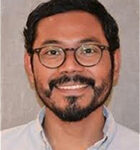
Dr. Pablo Cruz Morales
Section for Synthetic Biology
DTU Microbes Initiative
Email: [email protected]
ORCID: 0000-0002-6751-8897
Website: BRIGHT DTU
Senior Researcher, Department of Biotechnology and Biomedicine Biotechnology Research Institute for the Green Transition (BRIGHT) Technical University of Denmark (DTU)
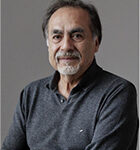
Dr. Alfredo Herrera Estrella
CINVESTAV Unidad Irapuato
Email: [email protected]
Website: cinvestav
Local Committee
Dr. Alfredo Herrera Estrella
CINVESTAV Unidad Irapuato
Email: [email protected]
Website: cinvestav
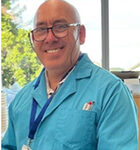
Dr. Edgardo Ulises Esquivel Naranjo
Facultad de Ciencias Naturales, Universidad Autónoma de Querétaro
Email: [email protected]
Website: fcn.uaq.mx

Dr. Sergio Casas Flores
Instituto Potosino de Investigación Científica y Tecnológica A.C. (IPICYT)
www.ipicyt.edu.mx
Email: [email protected]
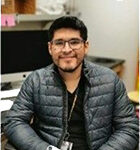
Dr. José Manuel Villalobos Escobedo
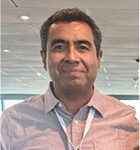
Dr. José López Bucio
Instituto de Investigaciones Químico Biológicas, Universidad Michoacana de San Nicolás de Hidalgo.
Email: [email protected]
Website: umich.m
Website: scholar.google

Dr. José Antonio Cervantes Chávez
Facultad de Ciencias Naturales, Universidad Autónoma de Querétaro
www.fcn.uaq.mx
Email: [email protected]
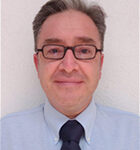
Dr. Urso Martín Dávila Montero
Facultad de Ciencias Naturales, Universidad Autónoma de Querétaro
Email: [email protected]
Website: fcn.uaq.mx
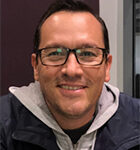
Dr. Roberto Augusto Ferriz Martínez
Facultad de Ciencias Naturales, Universidad Autónoma de Querétaro
Email: [email protected]
Website: fcn.uaq.mx

Dr. Fidel Landeros Jaime
Facultad de Ciencias Naturales, Universidad Autónoma de Querétaro
Email: [email protected]
Website: fcn.uaq.mx
Local Committee

Plant oxylipins: a family of lipid signals mediating defensive and development responses
Carmen Castresana
Centro Nacional de Biotecnología. Consejo Superior de Investigaciones Científicas. Madrid
www.cnb.csic.es

Functional genomics of flower and fruit development in Arabidopsis and tomato.
Stefan de Folter.
UGA Langebio Cinvestav Irapuato
www.cinvestav.mx

When Flowers Say No: The Molecular Dialogue That Blocks Self-Fertilization
Felipe Cruz García.
Facultad de Química, UNAM
www.quimica.unam.mx

HISPANO MEXICANO: Regulación molecular del desarrollo y la reproducción en plantas
Sobeida Sánchez Nieto
Facultad de Química, UNAM
Abstract
The acceptance letter will be emailed one week after the deadline.
Please attach your abstract as a word file: [email protected]
Any question or suggestions, please contact us by email: [email protected]
Information for Oral presentation
- Oral presentations will be selected and organized by the local and international committee.
- Speakers should adjust their presentation to 20 min. 15 min for presentation and five min for questions.
- Powerpoint slides or PDF files for presentation should be provided to the organizers before the session starts.
- In case you have any special requirements, please contact us.
Information for poster presentation
The poster has to be elaborated as follows: 90 cm width and 130 cm high. Although the format is free, we suggests the next recommendations:
- Title
- Author(s)
- Institution
- Address
- Institutional email
- Introduction
- Objectives
- Methods
- Results and discussion
- Conclusions
- Reference (not more than five)
- Acknowledgement
Registration
Deadline abstract submissions on 31 August 2026.
Please register using the form below. Once payment is made in full, receipt should be emailed to [email protected]. Also if you need an invoice, it should be indicated and provide all information required.
- Please add TG2026 and your name in the reference.
- Once payment is made in full, receipt should be emailed to [email protected].
- Also if you need an invoice, it should be indicated and provide all information required.
Bank account
Recipient:
Sociedad Mexicana de Bioquímica, AC
Bank:
BBVA/Bancomer
Account:
0108920060
CLABE for Electronic transfer:
012180001089200602
Registration fees
Categories
Early registration (31 August 2026)
Late registration (after deadline)
Categories
Early registration (31 August 2026)
Late registration (after deadline)
Categories
Early registration (31 August 2026)
Late registration (after deadline)
Categories
Early registration (31 August 2026)
Late registration (after deadline)
Hosting
Hotels within 1.5 km of the venue
Hotels in Querétaro’s Historic Center within 1.4–3.0 km of the venue
Casona de la República Hotel Boutique & SPA
Distance: 1.4 km
Rate per night: $159 – $236 dollars
Restaurants within 1.5 km of the venue
Restaurante Café Salem Witch House
Distance: 350 m
Rate per night: $11 – $17 dollars per person
Restaurants in Querétaro’s Historic Center within 1.4–3.0 km of the venue
Important Announcements
Hosting
Cultural/Tourism
Sponsors